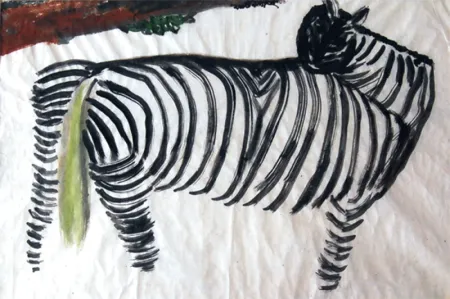
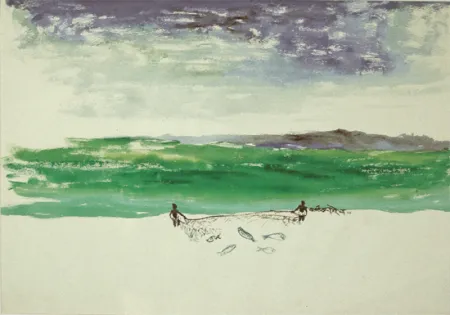
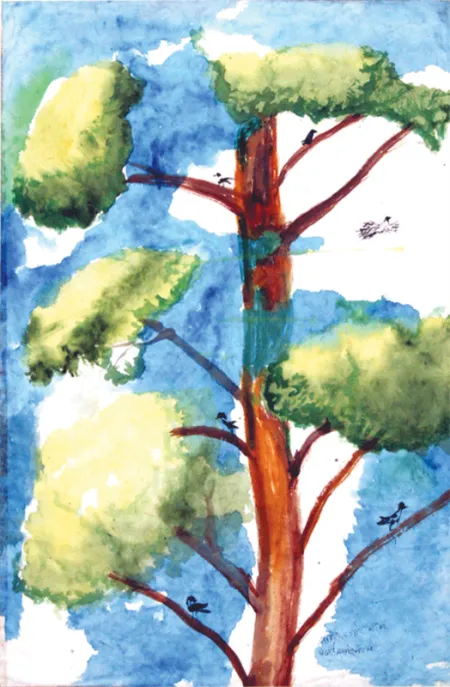
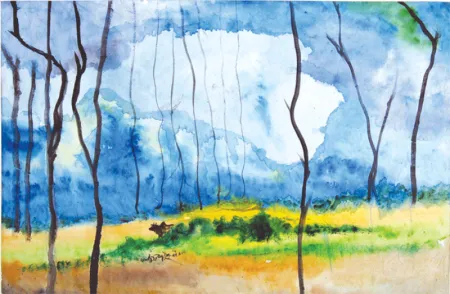
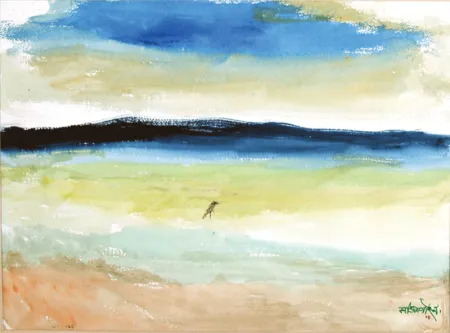
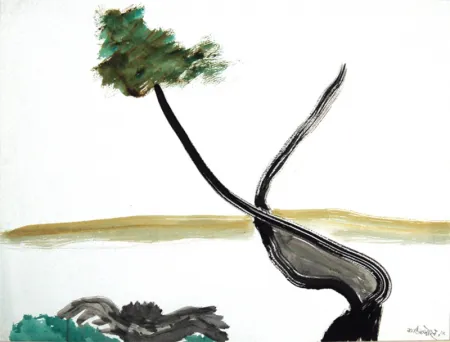
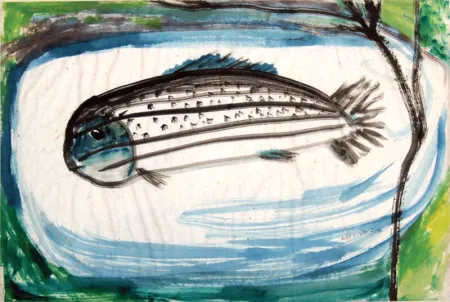
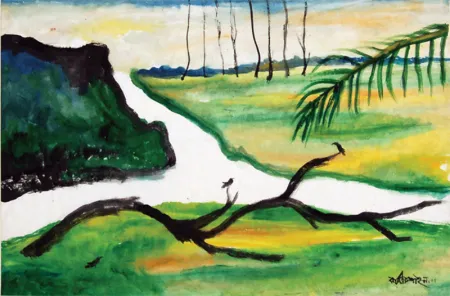
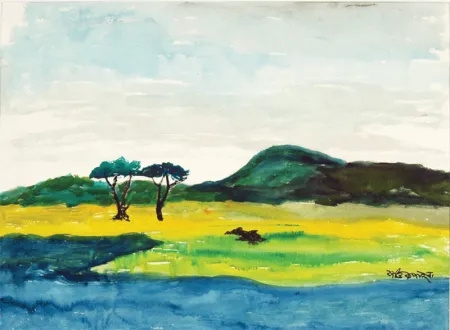
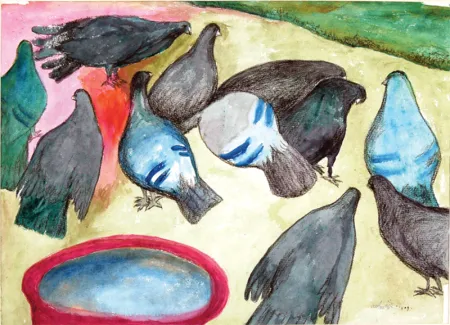
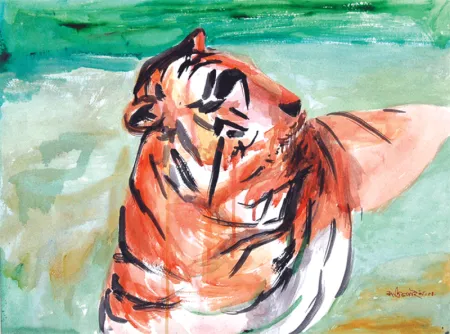
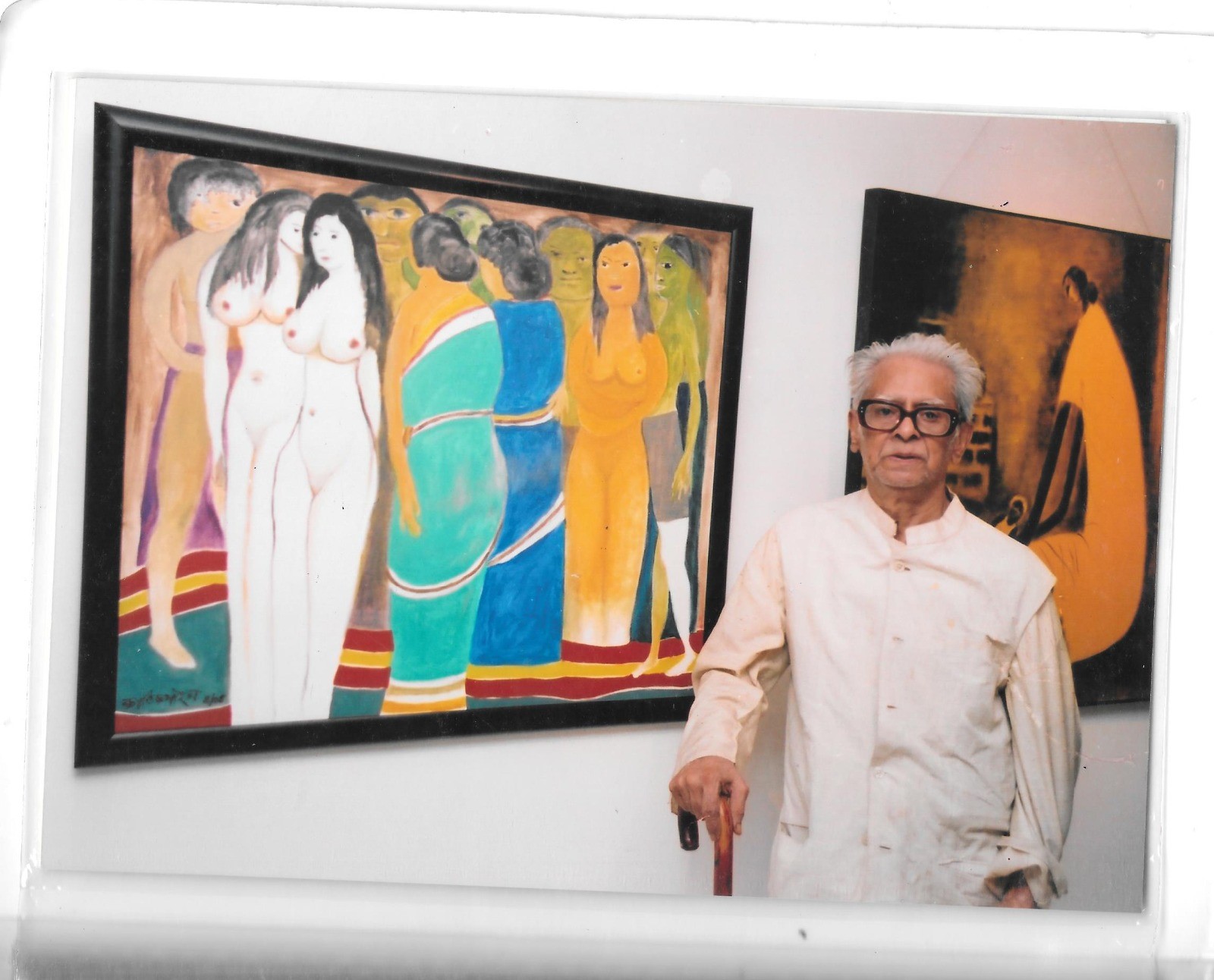
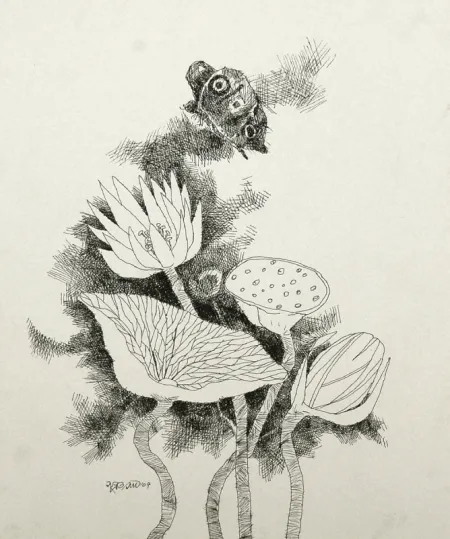
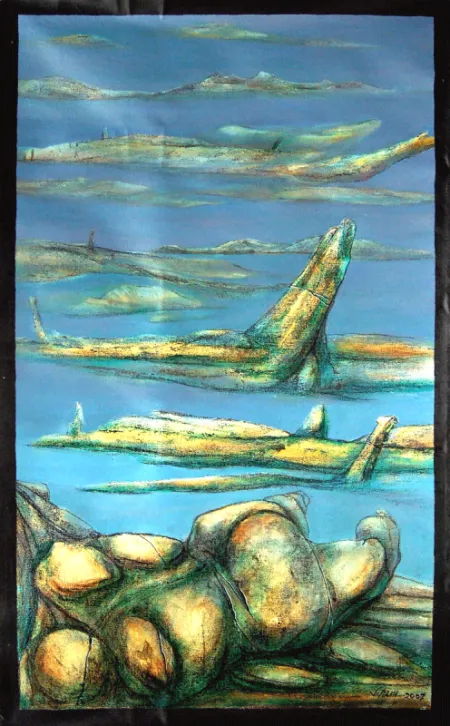
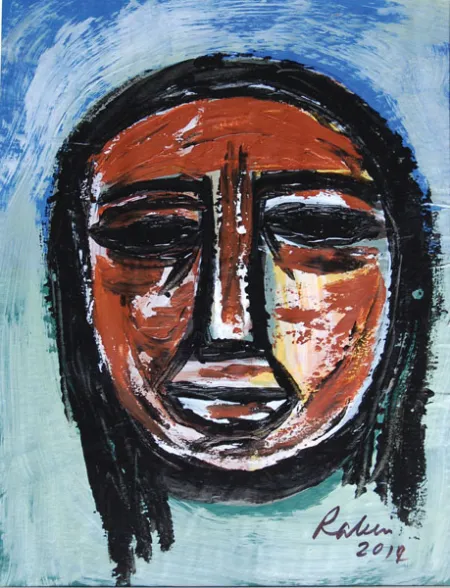
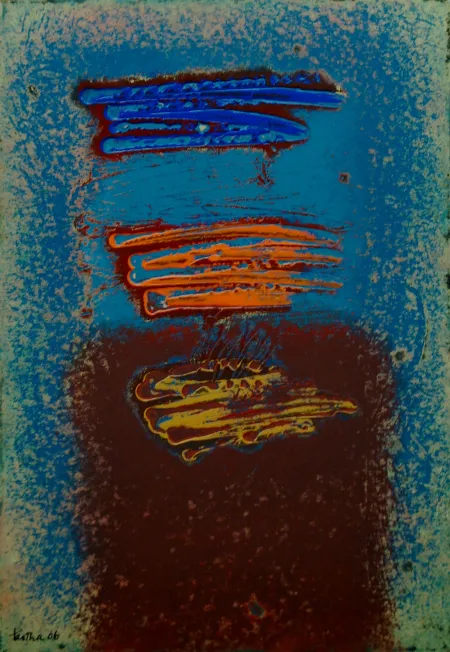
Kartick Chandra Pyne was a distinctive Indian modernist painter known for his highly individual world of fantasy, surrealism and symbolic figuration. Born in Kolkata in 1931, he studied at the Government College of Art & Craft, Calcutta, from 1950 to 1955. He was the elder cousin of artist Ganesh Pyne, although the two developed markedly different artistic languages.
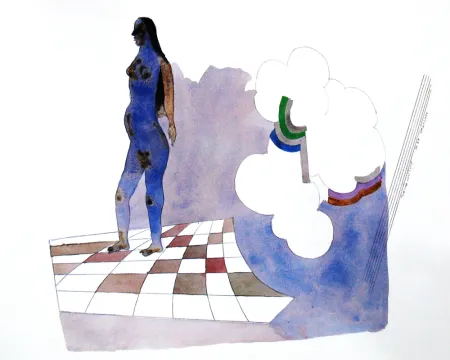
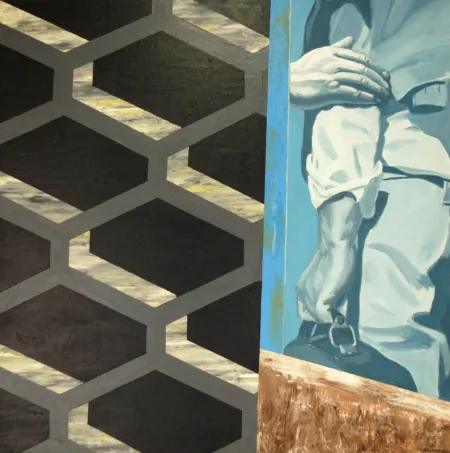
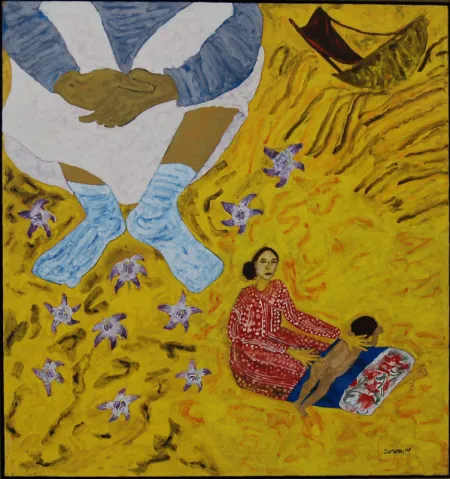
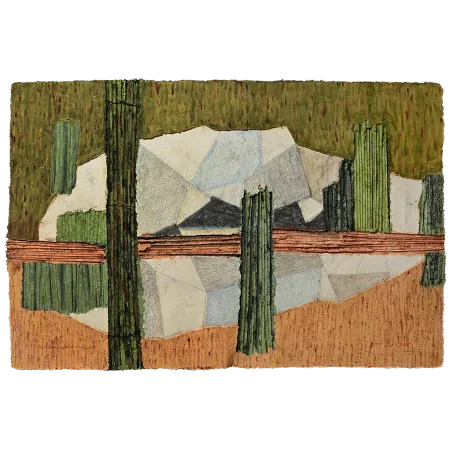
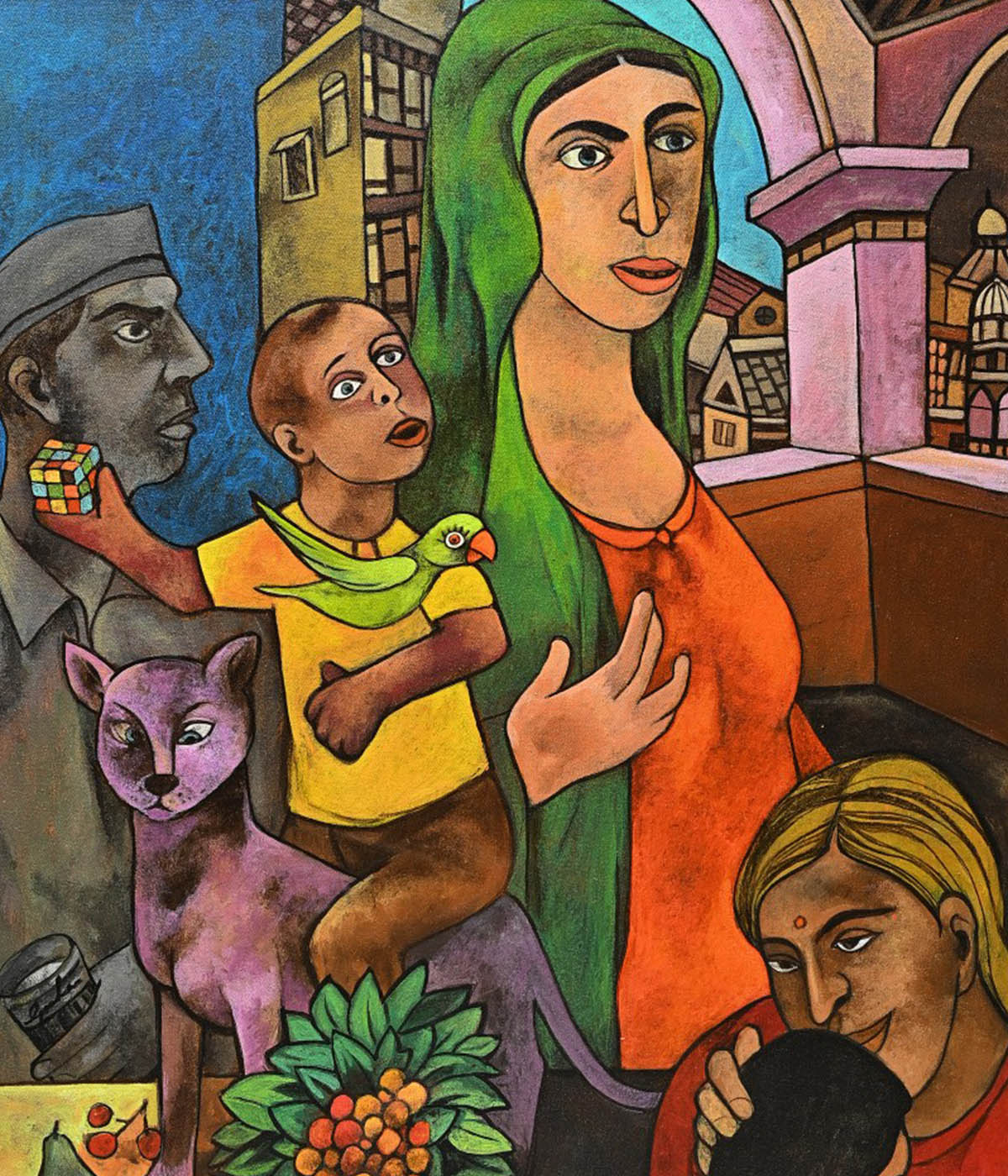
From the 1950s onwards, Pyne moved gradually away from conventional realism towards an imaginative form of figuration. Human beings, animals, birds, invented creatures and everyday objects inhabit mysterious spaces in which reality frequently merges with dream and fantasy. His paintings often carry an underlying sense of humour, anxiety and ambiguity.
Although affinities with European modernists such as Paul Klee, Joan Miró and Fernand Léger have been observed, Pyne developed a language that was essentially his own. Indian mythology, folk imagery, personal memories and subconscious associations entered his paintings without becoming literal narratives. Colour was similarly intuitive and expressive rather than purely descriptive.
Pyne exhibited widely during his career. His painting Moon Bath (1962) was included in an important exhibition of modern Indian art at the Fukuoka Art Museum, Japan, in 1979. He also participated in an Indian Council for Cultural Relations exhibition in Bangladesh in 1991–92 and held exhibitions at venues including the Academy of Fine Arts, Kolkata; Jehangir Art Gallery and Bajaj Art Gallery, Mumbai; and Lalit Kala Akademi, New Delhi.
Despite these achievements, Pyne remained comparatively under-recognised for several decades. He suffered a paralytic stroke in 1994, but continued to paint, adapting his practice to his physical limitations.
Association with Aakriti Art Gallery
A significant change in Pyne’s later career came through his association with Aakriti Art Gallery, Kolkata, which represented the artist and played an important role in bringing his work to wider attention.
In 2006, Aakriti Art Gallery organised a major retrospective of Kartick Chandra Pyne, bringing together paintings dating from the 1950s through 2005. The exhibition provided an opportunity to view nearly five decades of his artistic development and introduced his work to a much wider circle of collectors, critics and art lovers.
The retrospective was critically and commercially successful and became an important turning point in Pyne’s later career, contributing substantially to renewed recognition and collector interest in his work. It followed the appearance of his painting Bird in a Cage at Sotheby’s New York in 2005, another important moment in the reassessment of his market and artistic position.
Pyne received the Academy of Fine Arts Award four times—in 1966, 1969, 1973 and 1976—as well as prizes from the Mahakoshal Kala Parishad. Later honours included the Shilpi Maha Samman and Abanindra Puraskar from the Government of West Bengal.
His works are represented in collections including the National Gallery of Modern Art, New Delhi; Birla Academy of Art & Culture; Air India; and the Government of West Bengal, as well as important private collections.
Kartick Chandra Pyne died in Kolkata in 2017. Today, he is increasingly recognised as an important and highly individual voice in post-Independence Indian art. His unusual combination of surrealism, fantasy, symbolism and personal mythology distinguishes him from his contemporaries, while the renewed exposure beginning in the mid-2000s helped restore an artist who had remained outside mainstream recognition for far too long.
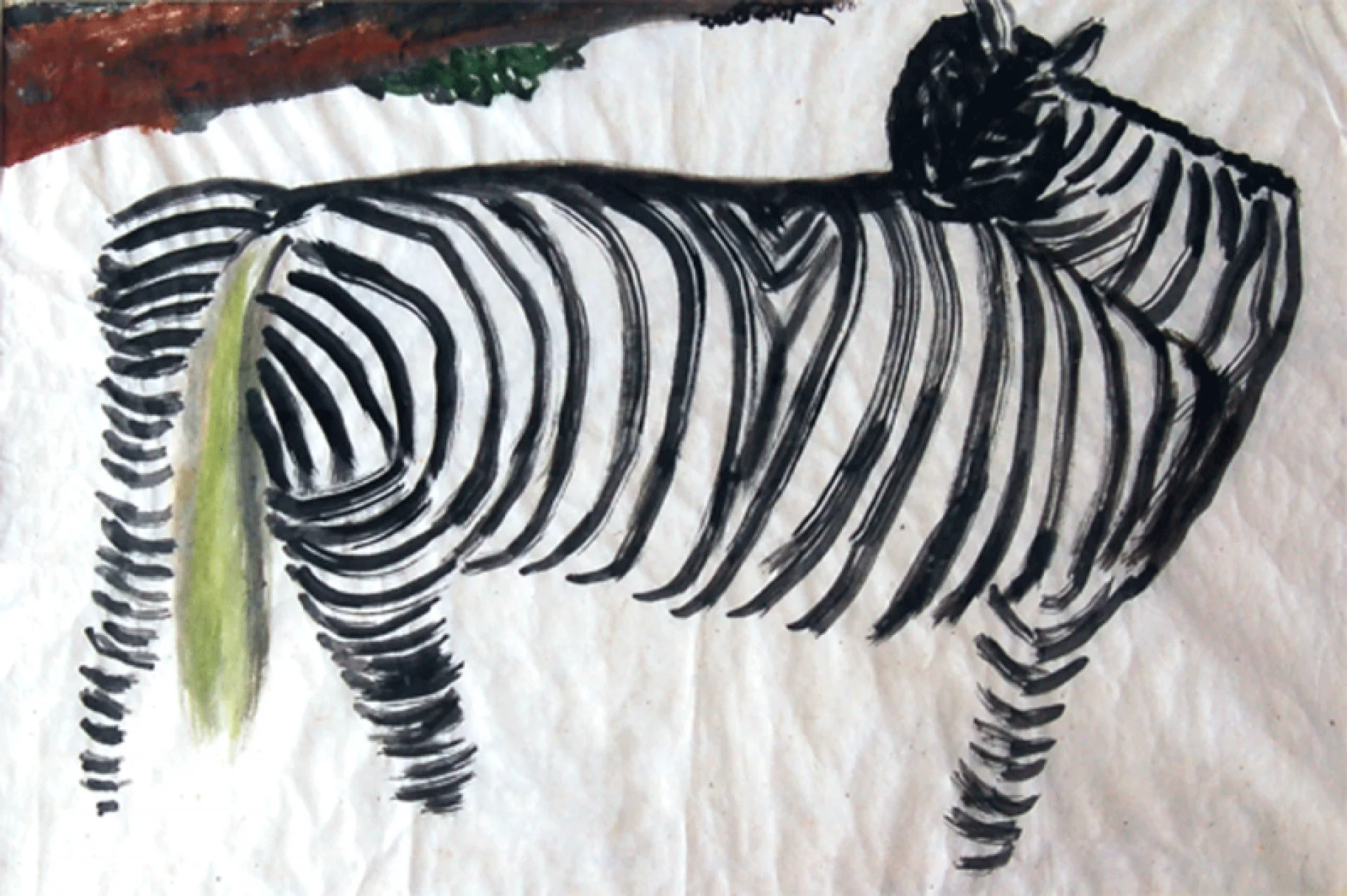 Untitled