Ink, Ideas, and Indian Art
How Magazines and Journals Shaped the Story of Modern Indian Art (1900–1950)
When we think about the making of modern Indian art, we usually think of painters, sculptors, and exhibitions. We recall Raja Ravi Varma, Abanindranath Tagore, Nandalal Bose, Amrita Sher-Gil, or the Progressive Artists’ Group. Yet behind many of these movements stood another powerful force: the printed page.
During the first half of the twentieth century, journals and magazines became the intellectual laboratories of Indian art. They published criticism, reproduced artworks, debated aesthetics, documented exhibitions, and connected artists across regions and continents. In an era before the internet, these publications shaped public opinion, influenced collectors, and helped define what Indian art could become.
Their pages carried not only images but ideas—ideas about nationalism, identity, tradition, modernity, and the place of India in the world. 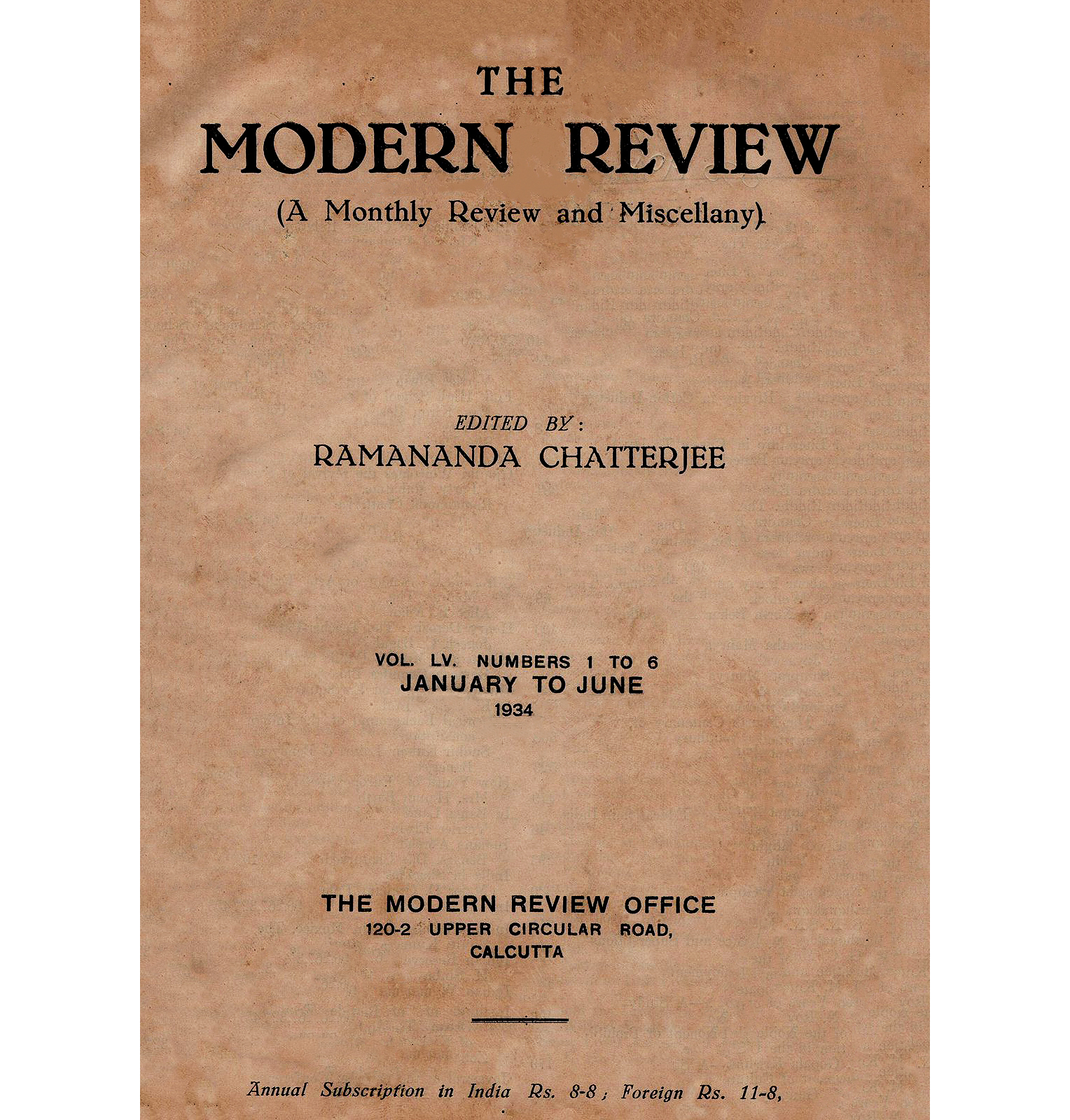
The Modern Review (1907): Art and National Consciousness
Founded in Calcutta in 1907 by Ramananda Chatterjee, The Modern Review quickly became one of India’s most influential intellectual journals. Although it covered politics, literature, economics, and society, it also provided an important platform for discussions on art and culture.
Writers such as Ananda K. Coomaraswamy, E.B. Havell, and Sister Nivedita used its pages to argue that India possessed a sophisticated artistic heritage equal to that of Europe. At a time when colonial administrators often dismissed Indian art as decorative or inferior, The Modern Review became a forum for cultural self-confidence and nationalist thought.
Its essays helped legitimise the emerging Bengal School and encouraged readers to view Indian artistic traditions through a new lens. 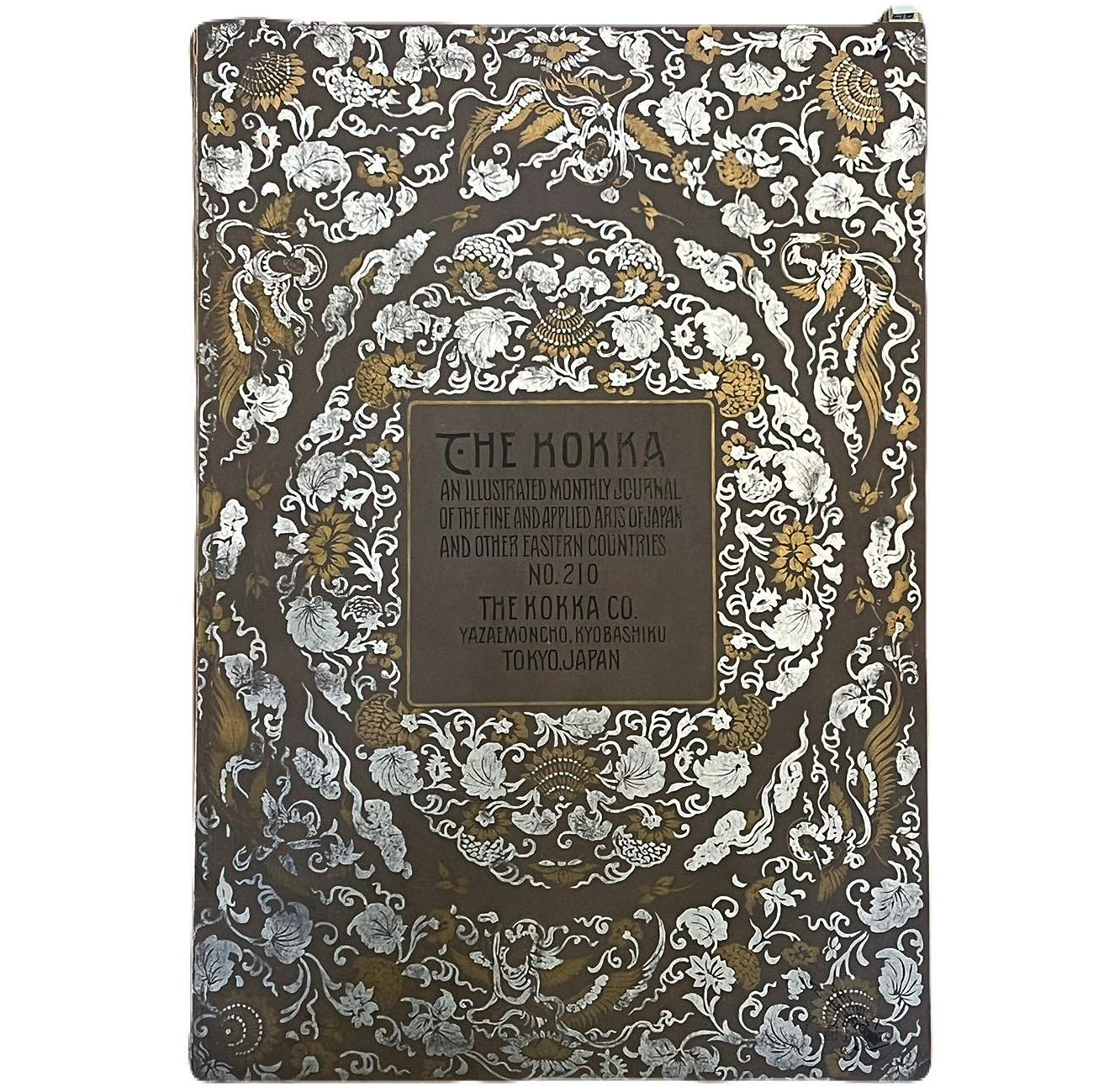
Kokka and the Pan-Asian Dialogue
Although published in Japan rather than India, Kokka, founded in Tokyo in 1889, deserves mention for its profound influence on Indian art. Through high-quality reproductions and essays, it introduced Japanese aesthetics to Indian audiences while publishing works by artists associated with the Bengal School.
The collaboration between Japanese printers and the Indian Society of Oriental Art resulted in remarkable reproductions of works by Abanindranath Tagore, Nandalal Bose, and others. It demonstrated that Asian artistic exchange could flourish outside European frameworks and became an important symbol of Pan-Asian cultural solidarity.
The Indian Academy of Art: A Voice for Academic Realism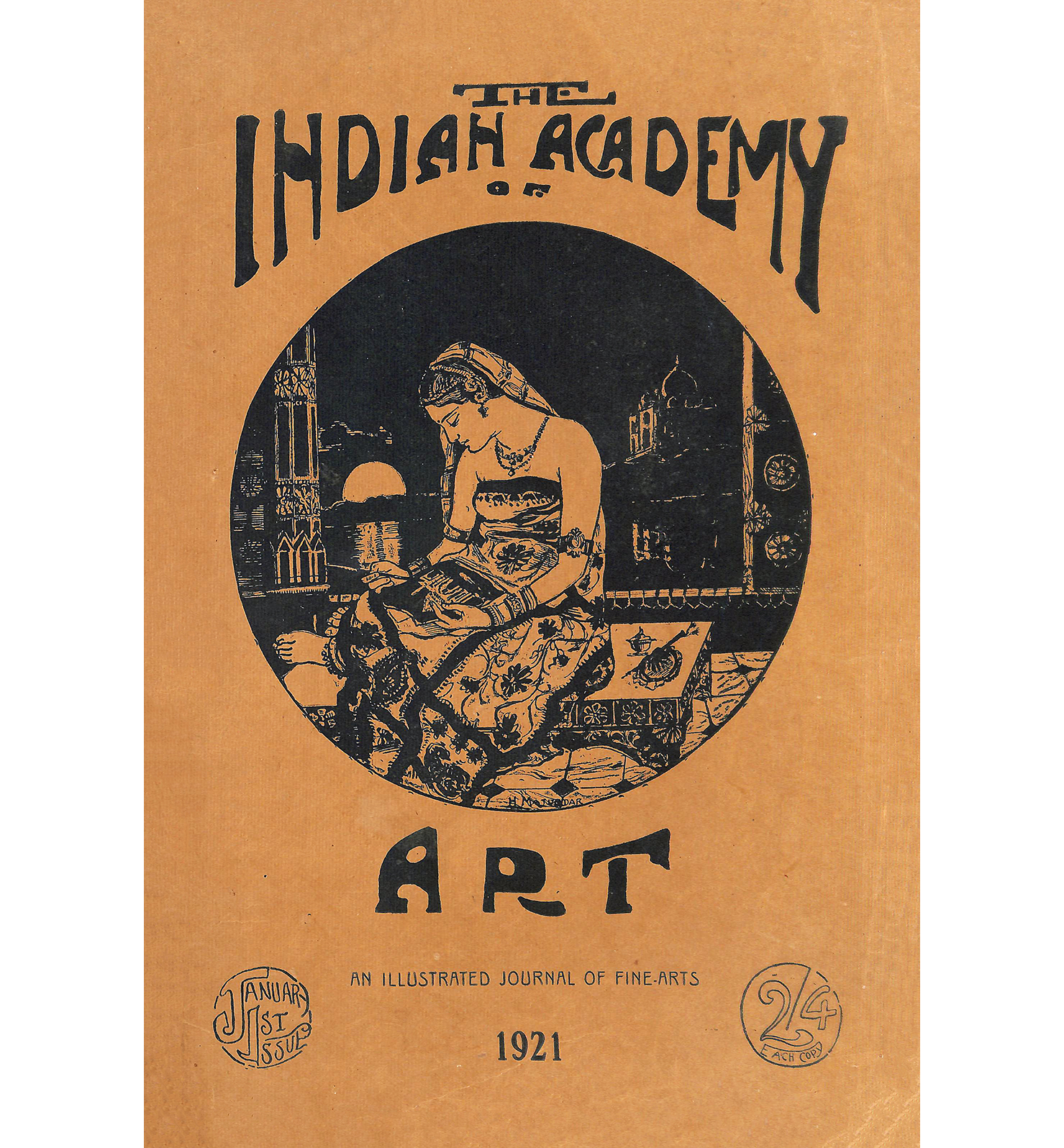
By the late 1910s and early 1920s, another artistic viewpoint emerged.
The Indian Academy of Art, associated with artists including Hemendranath Mazumdar, Atul Bose, and later Jamini Roy in its broader orbit of discussion, championed academic realism at a time when the Bengal School’s wash technique dominated nationalist discourse.
Its exhibitions and publications argued that mastery of anatomy, oil painting, and observational realism remained essential artistic values. Rather than accepting a single definition of Indian art, the Academy demonstrated that multiple modernities could coexist.
This debate between realism and revivalism became one of the defining artistic conversations of the period.
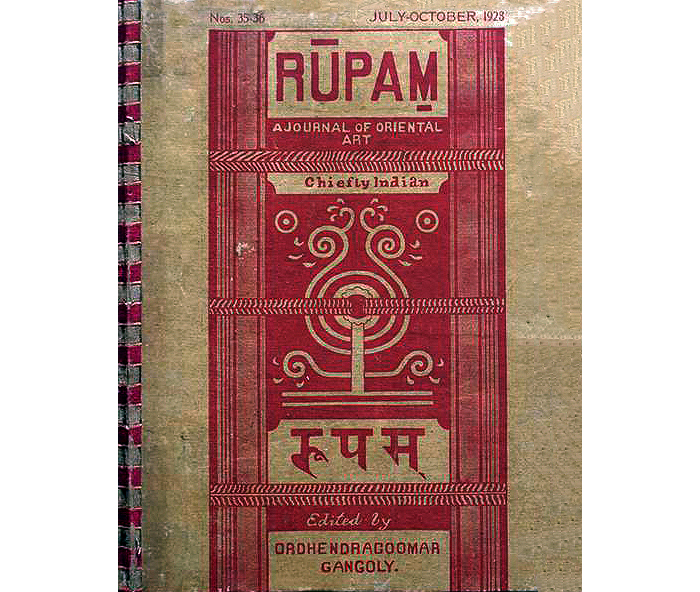 Rupam (1920): The Finest Art Journal of Its Time
If one publication represents the golden age of Indian art publishing, it is undoubtedly Rupam.
Founded in 1920 by the Indian Society of Oriental Art and edited by O.C. Gangoly, Rupam set new standards for production quality and scholarship. Its beautifully printed pages, often featuring hand-tipped colour plates, reproduced paintings and sculptures with exceptional fidelity.
The journal covered Indian miniature painting, Mughal art, Buddhist sculpture, archaeology, temple architecture, and contemporary artists while maintaining an international outlook.
For many readers abroad, Rupam offered their first serious introduction to India’s artistic heritage.
Even today, surviving volumes remain prized by collectors and researchers. 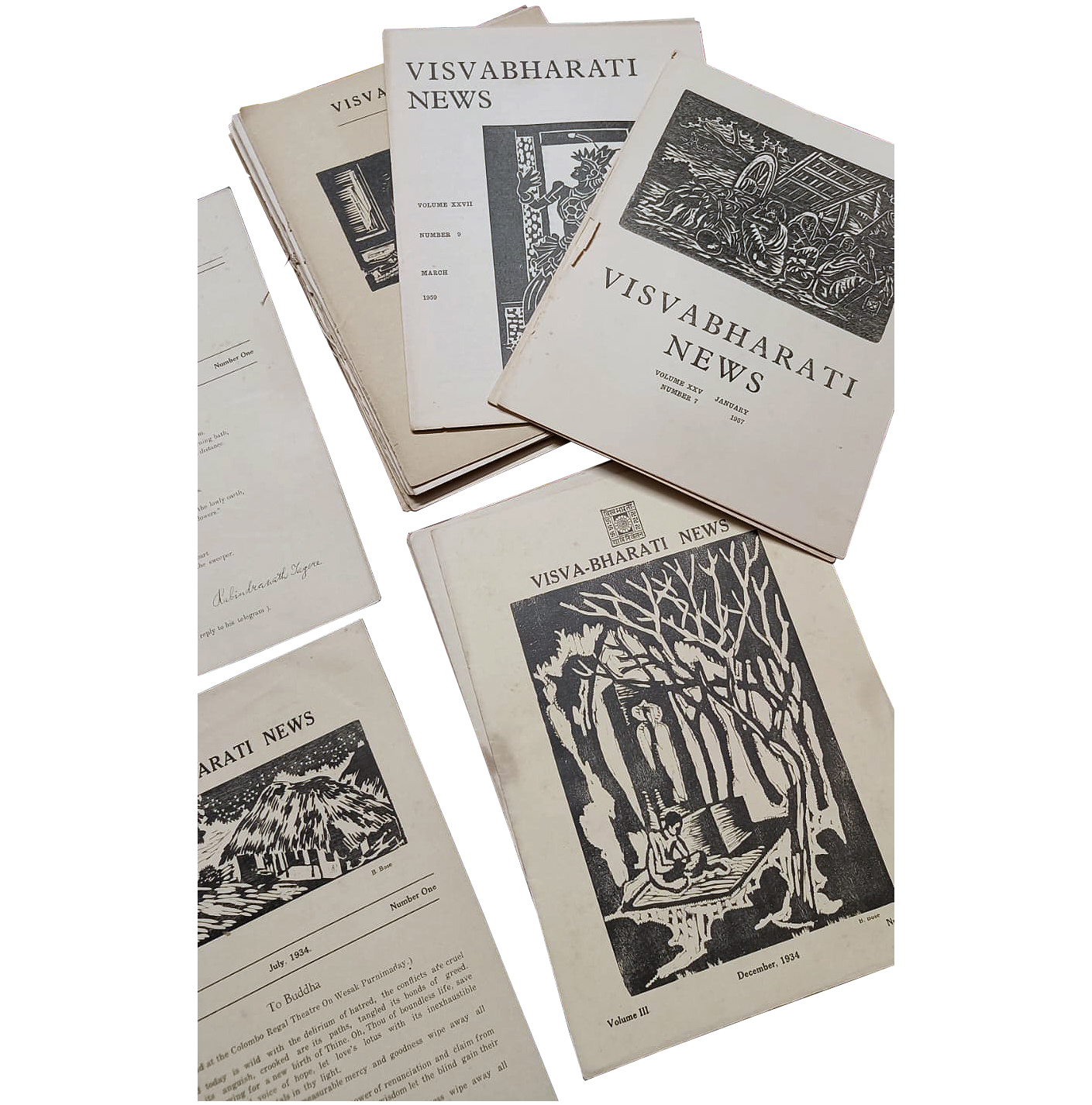
Visva-Bharati Quarterly: Santiniketan Speaks
When Rabindranath Tagore established Visva-Bharati University at Santiniketan, he envisioned an institution where art, literature, music, and education would exist in dialogue.
The Visva-Bharati Quarterly, launched in the early 1920s, became one of the principal vehicles for communicating these ideas.
Its pages documented the work of Nandalal Bose, Benode Behari Mukherjee, Ramkinkar Baij, and other members of Kala Bhavana while exploring Asian philosophies, education, rural crafts, and experimental artistic practices.
Rather than looking exclusively to Europe, Santiniketan proposed a cosmopolitan modernism rooted in Asia.
 Indian Art and Letters: Building Bridges
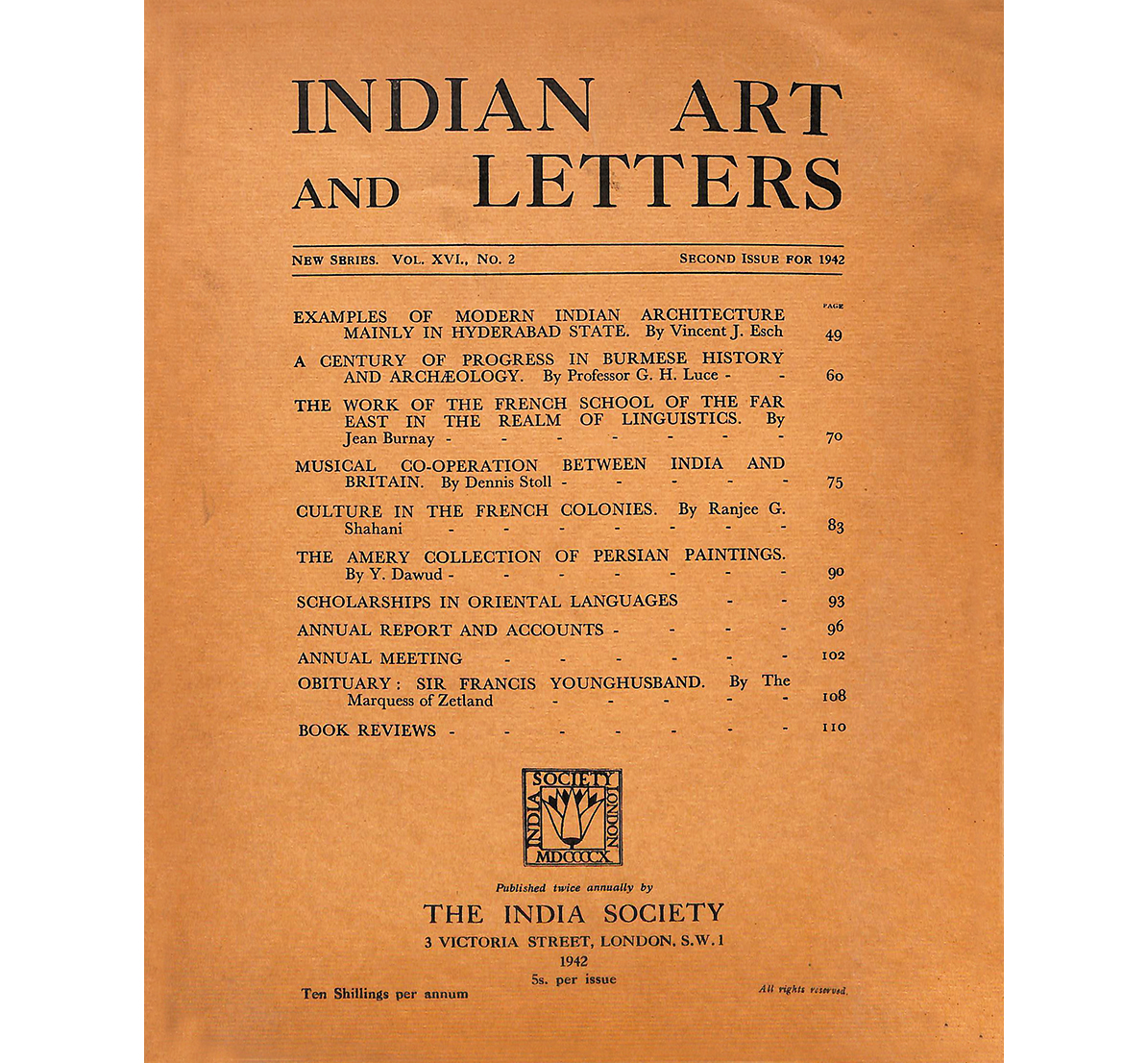
Published by the India Society in London, Indian Art and Letters created an important dialogue between British scholars and Indian artists.
The journal introduced European audiences to Indian painting, sculpture, architecture, and decorative arts while encouraging scholarly exchange across continents.
Its contributors included Orientalists, museum professionals, and historians who helped shape international understanding of Indian visual culture during the interwar years. 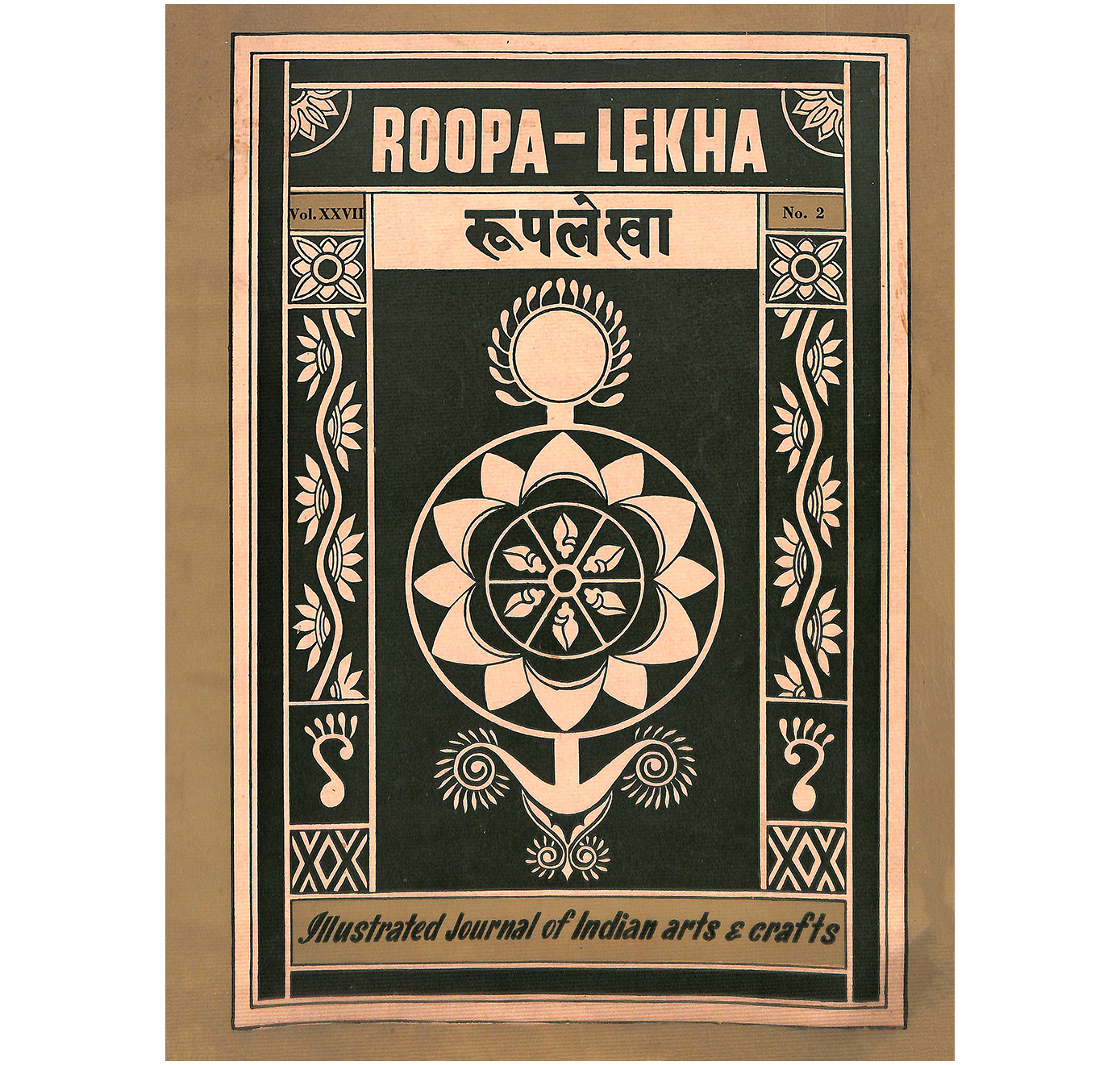
Roopa-Lekha: Recording a New Nation
Founded in 1929 by the All India Fine Arts and Crafts Society (AIFACS) in New Delhi, Roopa-Lekha became one of India’s longest-running art journals.
Unlike publications devoted primarily to a single movement, it embraced diversity.
Its pages covered regional schools, exhibitions, sculpture, crafts, architecture, and contemporary painting while documenting the rapidly changing cultural landscape of late colonial India.
For historians today, Roopa-Lekha provides an invaluable record of artists and exhibitions that might otherwise have been lost.
Marg (1946): Modern India Finds Its Voice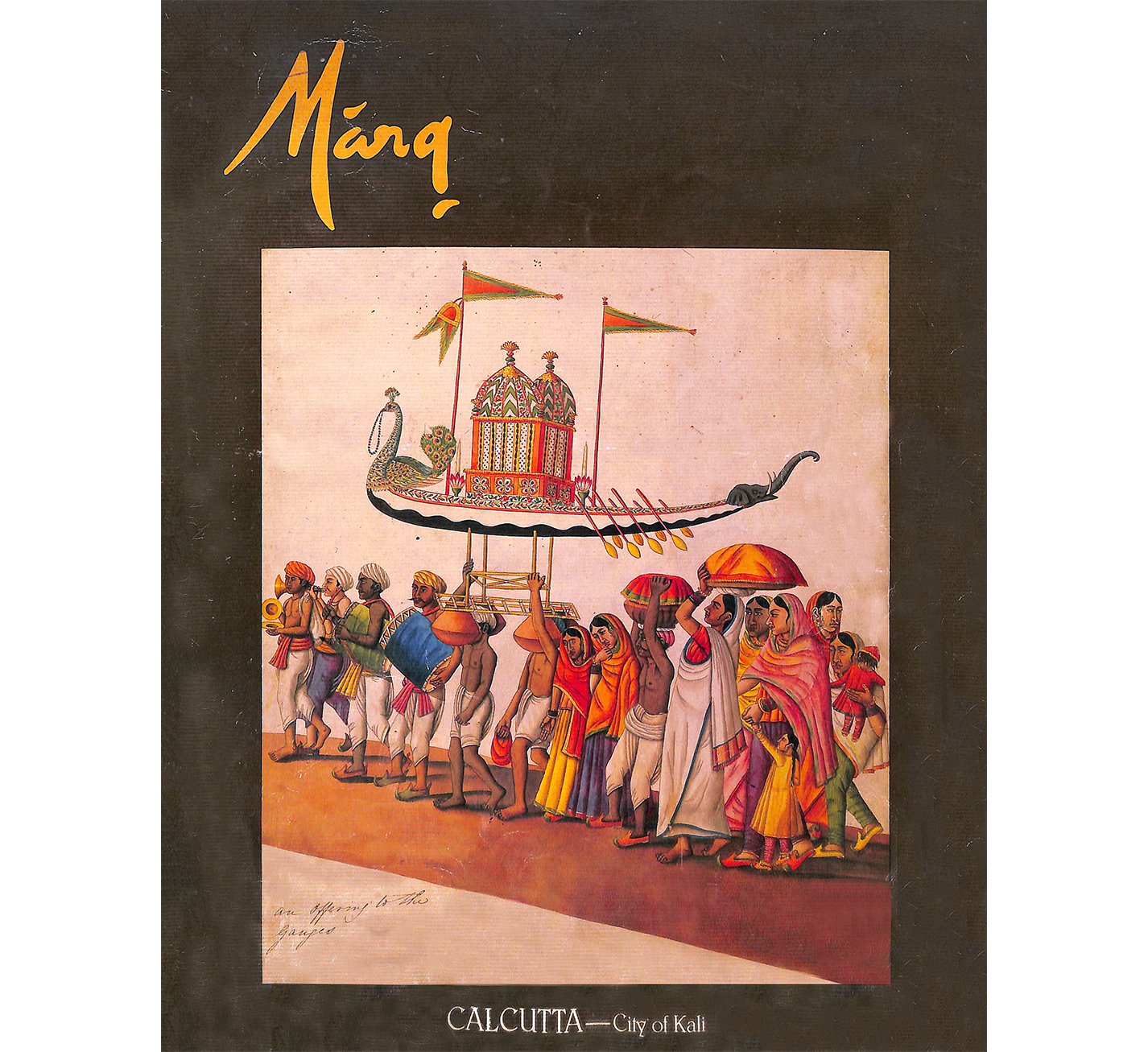
Few magazines have had a greater influence on Indian cultural discourse than Marg.
Founded in Bombay in 1946 by Mulk Raj Anand, with the support of figures such as Minnette de Silva, Karl Khandalavala, and industrial patronage associated with J.R.D. Tata, Marg quickly established itself as India’s premier publication on art, architecture, archaeology, and heritage.
Unlike earlier journals focused primarily on painting, Marg embraced the entire spectrum of visual culture.
It connected ancient monuments with contemporary design, traditional crafts with modern architecture, and Indian heritage with international scholarship.
Today, nearly eight decades later, it remains one of the country’s most respected cultural journals. 
Silpi: The Southern Perspective
While Calcutta and Bombay often dominated national conversations, South India developed its own important publishing traditions.
Launched in Madras around 1946, Silpi celebrated temple architecture, sculpture, crafts, and regional artistic practices while documenting the post-war cultural landscape of southern India.
It offered an essential counterbalance to narratives centred on Bengal or Bombay and highlighted the diversity of Indian artistic traditions.
Printing a Nation
These journals did far more than publish images.
They shaped debates between academic realism and revivalism.
They defended Indian traditions against colonial prejudice.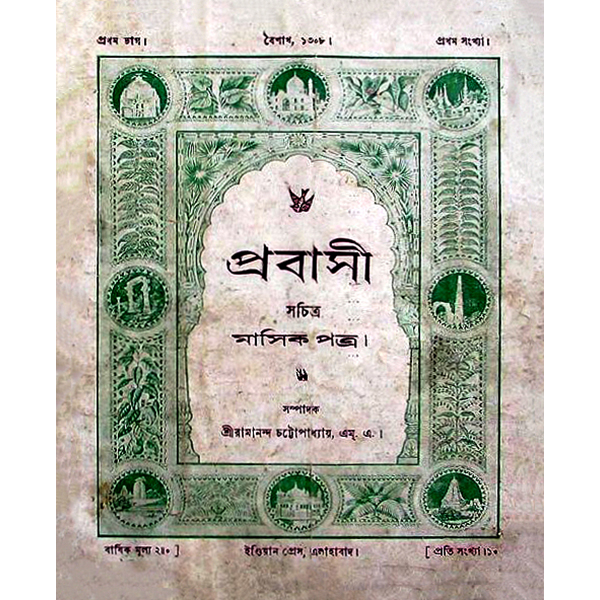
They connected artists across Asia and Europe.
They documented exhibitions that no longer survive.
They introduced collectors to new artists.
They created archives that scholars still consult today.
In many ways, the history of Indian modern art was written not only in studios and galleries but also in editorial offices and printing presses.
Why They Matter Today
As museums digitise archives and collectors rediscover rare publications, these magazines have become valuable historical documents in their own right.
A complete run of Rupam, an early issue of The Modern Review, or a first edition of Marg is more than printed paper—it is evidence of how generations of artists and intellectuals imagined India’s cultural future.
For researchers, they preserve forgotten exhibitions, reviews, artist statements, and illustrations.
For collectors, they offer provenance, context, and insight.
For historians, they reveal that modern Indian art was never shaped by artists alone.
It was also shaped by editors, printers, publishers, critics, and readers who believed that ideas deserved to travel as widely as images.
Perhaps that is their greatest legacy.
Before social media, before digital archives, before online catalogues, these journals created a national conversation about art.
And in doing so, they helped create modern Indian art itself.
Endnotes
- Ramananda Chatterjee, The Modern Review, Calcutta, founded 1907.
- O.C. Gangoly (ed.), Rupam, Indian Society of Oriental Art, 1920–1930.
- Visva-Bharati archives and publications relating to Kala Bhavana and the Visva-Bharati Quarterly.
- India Society (London), Indian Art and Letters.
- All India Fine Arts and Crafts Society (AIFACS), Roopa-Lekha archives.
- Mulk Raj Anand and Marg Foundation publications.
- Research on Silpi and post-war art publishing in Madras.
- Tapati Guha-Thakurta, The Making of a New “Indian” Art; Partha Mitter, Art and Nationalism in Colonial India.
- Archive Section, Aakriti Art
Selected Bibliography
- Guha-Thakurta, Tapati. The Making of a New “Indian” Art. Cambridge University Press.
- Mitter, Partha. Art and Nationalism in Colonial India, 1850–1922. Cambridge University Press.
- Gangoly, O.C. (ed.). Rupam (various issues).
- Chatterjee, Ramananda (ed.). The Modern Review (various issues).
- Anand, Mulk Raj (founding editor). Marg (early volumes).
- AIFACS. Roopa-Lekha archives.
- Visva-Bharati University publications and archival records.
Editorial Note
The founding dates and publication histories of several early twentieth-century journals vary slightly across archival sources. This article follows the most widely accepted scholarly chronology while acknowledging that further research continues to refine the history of Indian art publishing.
_______________________________________________________________________________________________________________________________________________________________________
Research & Compiled by Aakriti Art Gallery team
Comments
Join the Discussion
Please login to post comments.
Login